Raising a kitten requires a structured approach. First 48 Hours: Confine to a quiet “Safe Room” to reduce stress. Nutrition: Feed high-protein wet food (like IndieCat) 4x daily for kittens under 12 weeks. Health: Begin vaccinations (Tricat) at 6-8 weeks and deworming immediately. Socialization: Handle paws and ears daily to prepare for future vet visits.
Last Updated: Summer 2026
Kittens progress rapidly. In just six months, they go from helpless neonates to independent predators. The routines you establish now—how you handle them, what you feed them, and how you play—set the foundation for a lifetime of health and confidence.
This guide acts as your **Kitten Upbringing Manual**, broken down into actionable chapters for every stage of their early life.
Phase 1: The Homecoming (First 48 Hours)
Your home is huge and scary to a 500g kitten. Do not give them free rein immediately.
🏠 The “Safe Room” Strategy
Setup: Pick a small, quiet room (guest room or bathroom).
Contents: Bed, Litter Tray, Food/Water (kept separate).
Why: Reduces sensory overload and prevents accidents. Keep them here for 2-3 days until they use the litter box confidently.
- The Carrier: Leave the carrier open in the room with a soft towel inside. This makes it a “safe bed” rather than a “scary travel box.”
- Introductions: Keep other pets OUT. Introduce by scent only (swapping bedding) for the first few days.
Phase 2: Nutrition for Growth
Kittens burn massive amounts of energy. They need Growth Formulas rich in protein and DHA (for brain development). Avoid homemade diets unless guided by a nutritionist, as they often lack Taurine.
Feeding Frequency Guide
| Age | Meals Per Day | Diet Focus |
|---|---|---|
| 8–12 Weeks | 4+ Small Meals | High calorie, soft texture. |
| 3–6 Months | 3 Meals | Introduce variety (textures/proteins). |
| 6+ Months | 2 Meals | Transition towards adult maintenance. |
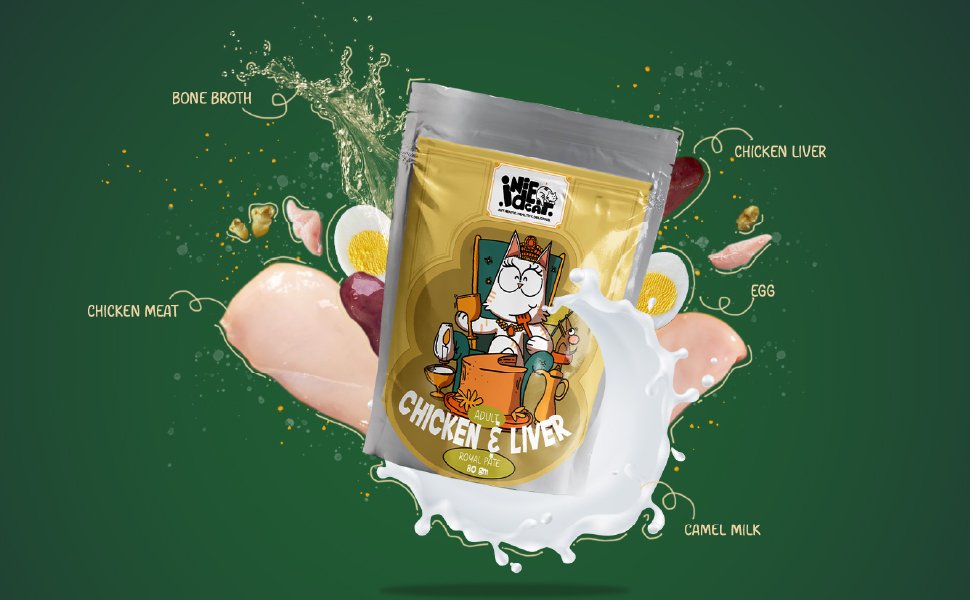
Growth Fuel: IndieCat Chicken & Liver
Rich in high-quality animal protein and organ meats (Taurine/Vitamin A) essential for growing bodies. Soft texture is easy for kittens to eat.
Phase 3: Litter Training Success
Kittens have an instinct to bury waste, but you must make it easy for them.
- The Box: Use a tray with low sides so tiny legs can climb in.
- The Litter: Unscented, soft clumping litter. Avoid pellets initially (they can hurt tender paws).
- The Rule: Place them in the box immediately after eating and waking up. If they use it, praise them!
Phase 4: Socialization & Handling
The “Socialization Window” closes around 7-9 weeks. What happens now determines if your cat will be friendly or fearful.
🤝 The Daily Handling Checklist
Prepare them for future vet visits by touching these areas daily (gently):
✅ Paws: Press gently to extend claws (makes trimming easy).
✅ Ears: Look inside and massage the base.
✅ Mouth: Lift the lip to check teeth.
Play Smart: Never use your hands as toys. This teaches kittens that biting flesh is okay. Always use a wand toy or a kicker toy.

The Reward: Purrkins Liver Pudding
Use these irresistible treats to reward calm behavior during grooming or nail trimming.
Phase 5: The Medical Timeline
Don’t skip the vet. Kittens are vulnerable to viruses and parasites. See our full Vaccination Schedule.
| Age | Procedure | Notes |
|---|---|---|
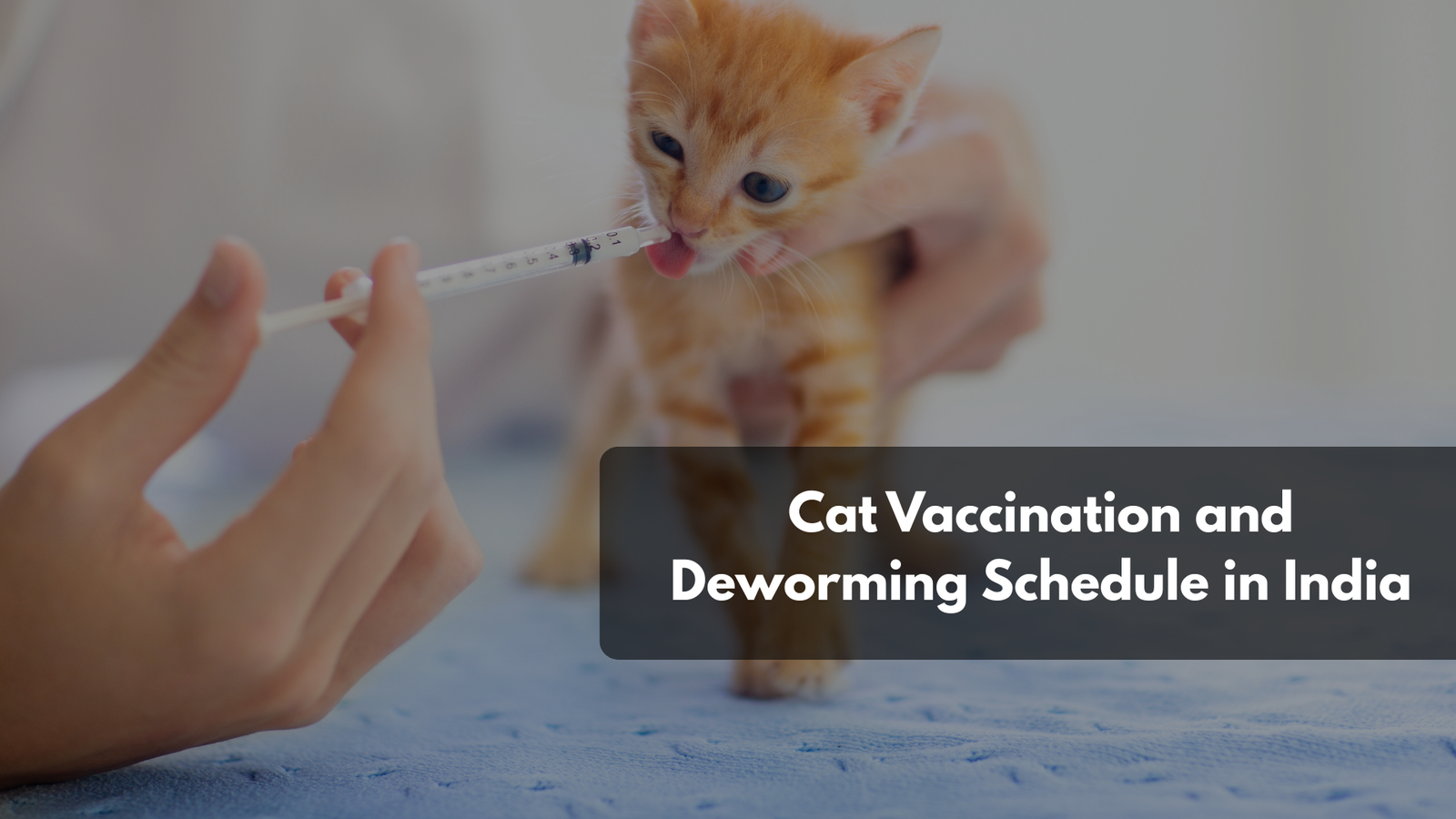
| 6-8 Weeks | FVRCP (Tricat) + Deworming | Protects against Panleukopenia (Distemper). |
| 12-16 Weeks | Rabies + Boosters | Rabies is mandatory in India. |
| 5-6 Months | Spay/Neuter | Prevents spraying, roaming, and cancers. |
Phase 6: Kitten-Proofing Checklist
Before you relax, ensure your home isn’t a trap:
- ✅ Toxic Plants: Remove Lilies, Aloe, and Poinsettias.
- ✅ Chemicals: Lock away floor cleaners (Phenol is toxic to cats).
- ✅ Appliances: Always check the washing machine and oven before closing.
- ✅ Strings: Hide thread, wool, and dental floss (swallowing these causes fatal blockages).
FAQ: New Parent Worries
My kitten is biting me. Is it aggression?
Likely not. It’s usually “play aggression.” Redirect them to a toy. If you use your hands to play, you are teaching them to bite.
Can I give my kitten cow’s milk?
No. It causes diarrhea. If you have an orphan, use commercial Kitten Milk Replacer (KMR), not dairy.
When can I let them meet my dog?
Wait at least 2 weeks. Start with scent swapping, then supervised visual contact. Ensure the kitten always has a high escape route (shelf/cat tree).
Final Thoughts
Raising a kitten is a blend of joy and patience. By focusing on safety, nutrition, and gentle handling in these early months, you aren’t just raising a pet—you’re raising a family member who trusts you implicitly.