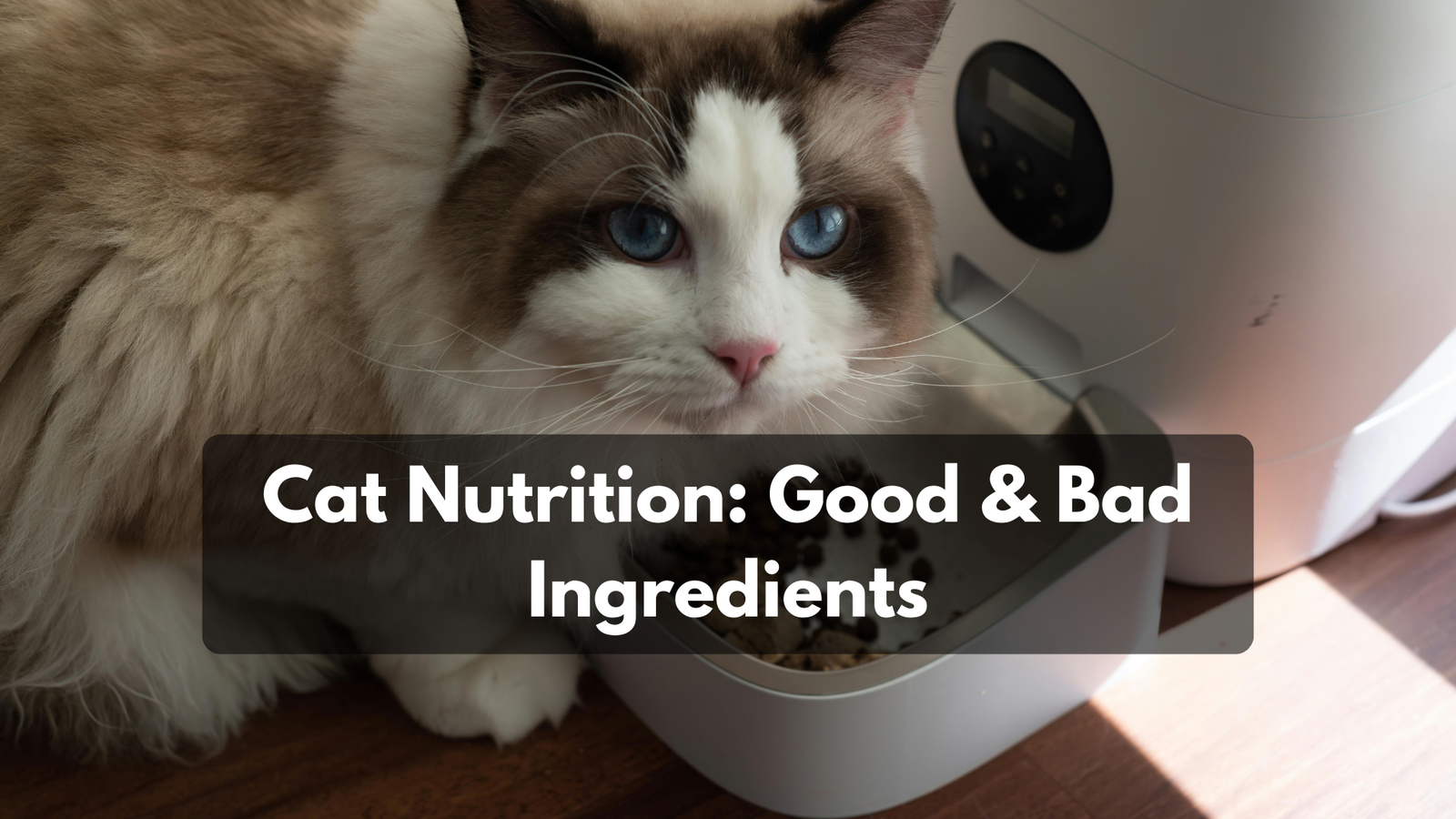
Indie cats are Obligate Carnivores. They require high protein (min 26% DM) from animal sources like Chicken and Fish, not plants. Good Ingredients: Real meat, organ meats (Liver), and animal fats (Taurine source). Bad Ingredients: Glucose biscuits (Sugar), Onions/Garlic (Toxic), and excessive fillers (Corn/Soy). Recommendation: Switch to clean-label wet foods like IndieCat that list “Chicken” as the #1 ingredient.
Last Updated: Summer 2026
Indie cats are not “low maintenance” scavengers. They are domestic cats with the same biological needs as a Persian or a Maine Coon.
This means they are Obligate Carnivores. Their bodies are designed to strip nutrients from meat, not from wheat or soy. Yet, the Indian market is flooded with “cat food” that is essentially flavored biscuits. This guide acts as your Nutritional Bible—decoding labels, identifying toxins, and helping you choose food that extends your cat’s life.
Chapter 1: The Biology of the Indie Cat
🥩 The “Obligate Carnivore” Rule
Unlike dogs (who are omnivores), cats MUST eat meat to survive. They cannot produce Taurine or Arachidonic Acid on their own—they must get it from animal tissue. A vegan or low-meat diet will cause blindness and heart failure.
To meet established veterinary standards (AAFCO), a cat’s diet must provide:
- Protein: Minimum 26% (Adults) or 30% (Kittens) on a Dry Matter basis.
- Fat: Minimum 9% for energy and coat health.
- Vitamins: Pre-formed Vitamin A (found in liver, not carrots).
Chapter 2: The “Good vs. Bad” Ingredient Table
Not all “Chicken” is created equal. Here is how to read the back of the pack.
| Good Ingredient (Why?) | POP Recommendation | Bad Ingredient (Avoid!) |
|---|---|---|
| Real Chicken/Fish Supplies essential amino acids & Taurine for heart health. |
IndieCat Chicken (Real meat #1) | “Meat By-Product Meal” Often vague slaughterhouse waste like beaks/feet with low nutritional value. |
| Organ Meats (Liver) Nature’s multivitamin. Rich in Vit A & Iron. |
Purrkins Liver Pudding | Onions/Garlic Highly toxic. Causes anemia by destroying red blood cells. |
| Animal Fats Provide energy and shiny coats. |
Found in all IndieCat Wet Foods | Vegetable Oil / Corn Oil Cats cannot process plant fats efficiently. |
| High Moisture (70%+) Prevents Kidney Stones & UTIs. |
Purrkins Broths | Glucose/Sugar/Xylitol Causes obesity, diabetes, and liver failure (Xylitol). |
Chapter 3: The Purrkins Difference (Visual Guide)
At Pets of Paradise, we don’t hide our ingredients. We showcase them. Here is what real food looks like.
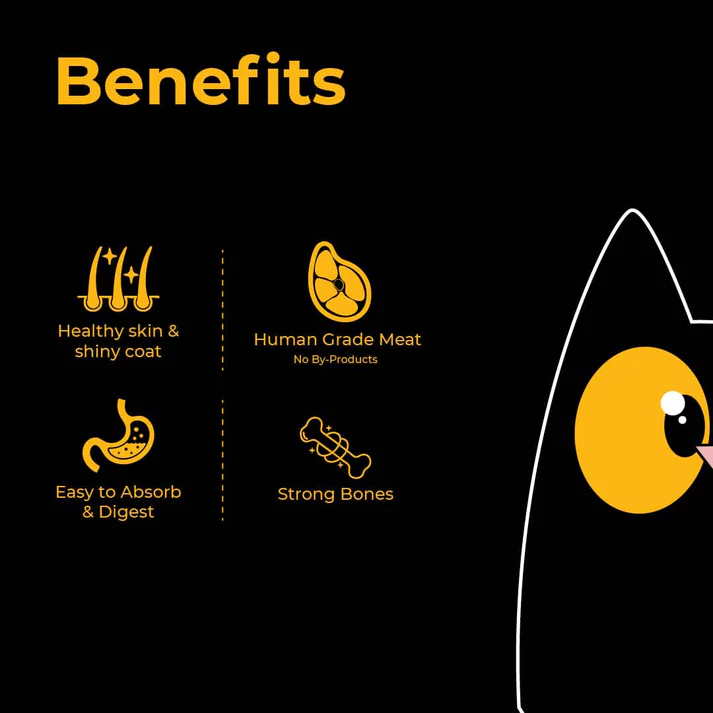
Real Chicken Shreds
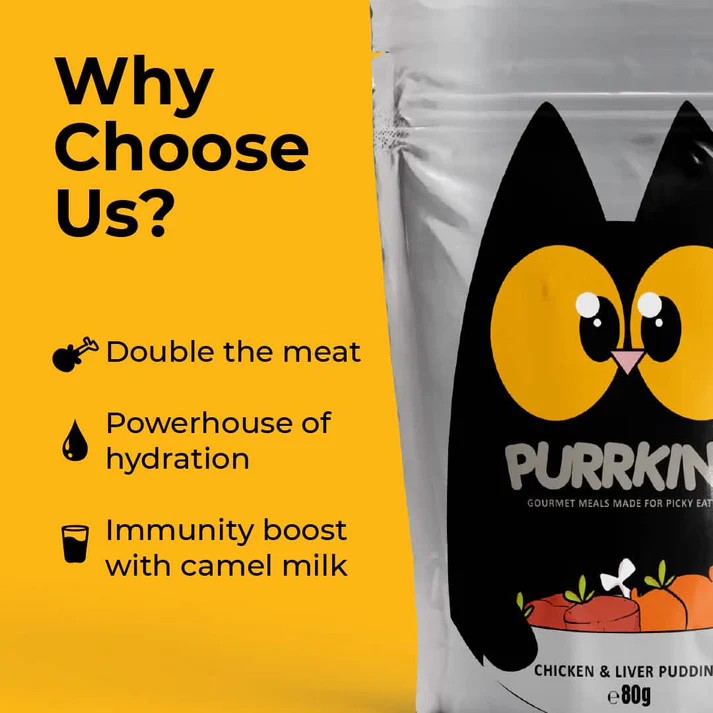
Nutrient-Dense Liver
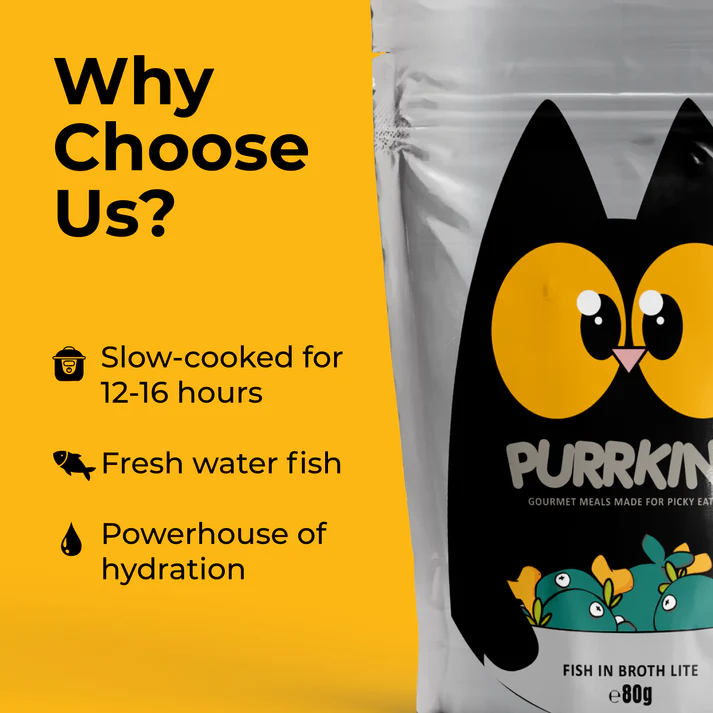
Hydrating Broth
Chapter 4: Label Decoding 101
Marketing can be deceptive. Here is how to spot a fake.
- The “Flavor” Trick: If a pack says “Chicken Flavor,” it likely contains <3% chicken. Look for "Chicken Dinner" or just "Chicken."
- The “Split” Trick: Companies split grains (corn, corn meal, corn gluten) to make meat look like the #1 ingredient. If you add up all the corn, it might exceed the meat!
- The AAFCO Statement: Always check for: “Formulated to meet the nutritional levels established by the AAFCO Cat Food Nutrient Profiles for [Life Stage].”
Chapter 5: Homemade vs. Commercial (The Danger Zone)
Many Indie parents feed Boiled Chicken and Rice daily. While better than biscuits, this is NOT a complete diet.
⚠️ The Calcium/Phosphorus Imbalance
Plain meat is high in Phosphorus but low in Calcium. Over time, this pulls calcium from your cat’s bones, causing Metabolic Bone Disease. Commercial foods like IndieCat are scientifically balanced to prevent this.
Chapter 6: Transitioning to Better Food
If your Indie is addicted to kibble or biscuits, don’t switch cold turkey. It will cause diarrhea.
- Days 1-3: 75% Old Food + 25% IndieCat Wet Food.
- Days 4-6: 50% Old Food + 50% IndieCat.
- Days 7-10: 25% Old Food + 75% IndieCat.
- Day 10+: 100% Clean Nutrition.
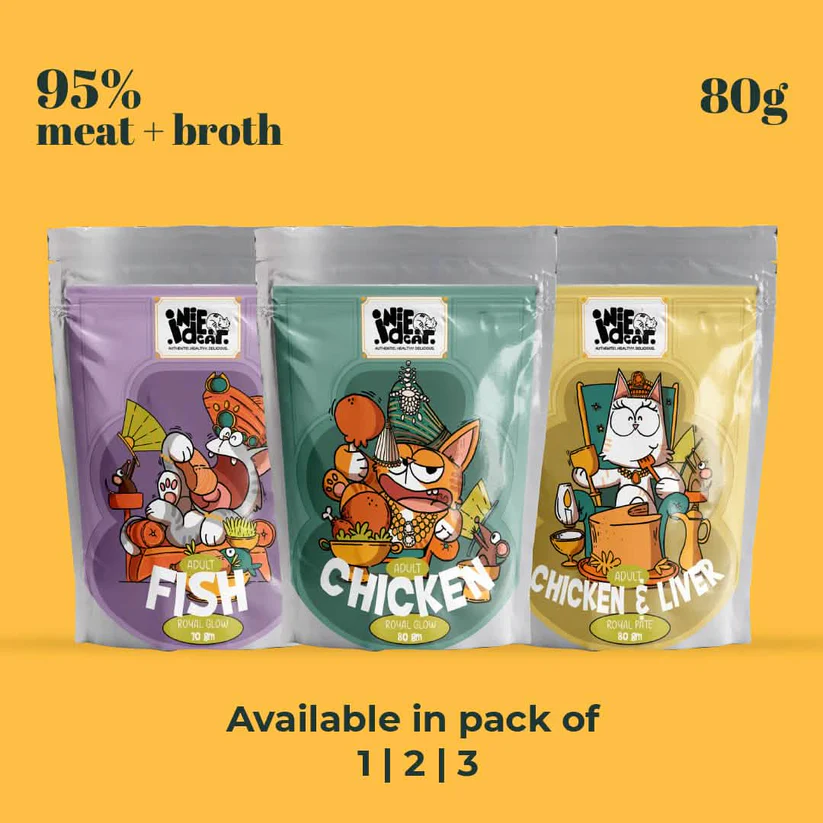
The Taste Test: IndieCat Trial Pack
Not sure what they’ll like? Try 5 clean-label flavors. No grains, no fillers, just real nutrition.
Conclusion: The Indie Advantage
Your Indie cat has survived generations on the streets, but to thrive in your home, they need more than just survival food. By choosing ingredients that respect their biology—real meat, moisture, and essential fats—you are giving them the gift of a long, disease-free life.