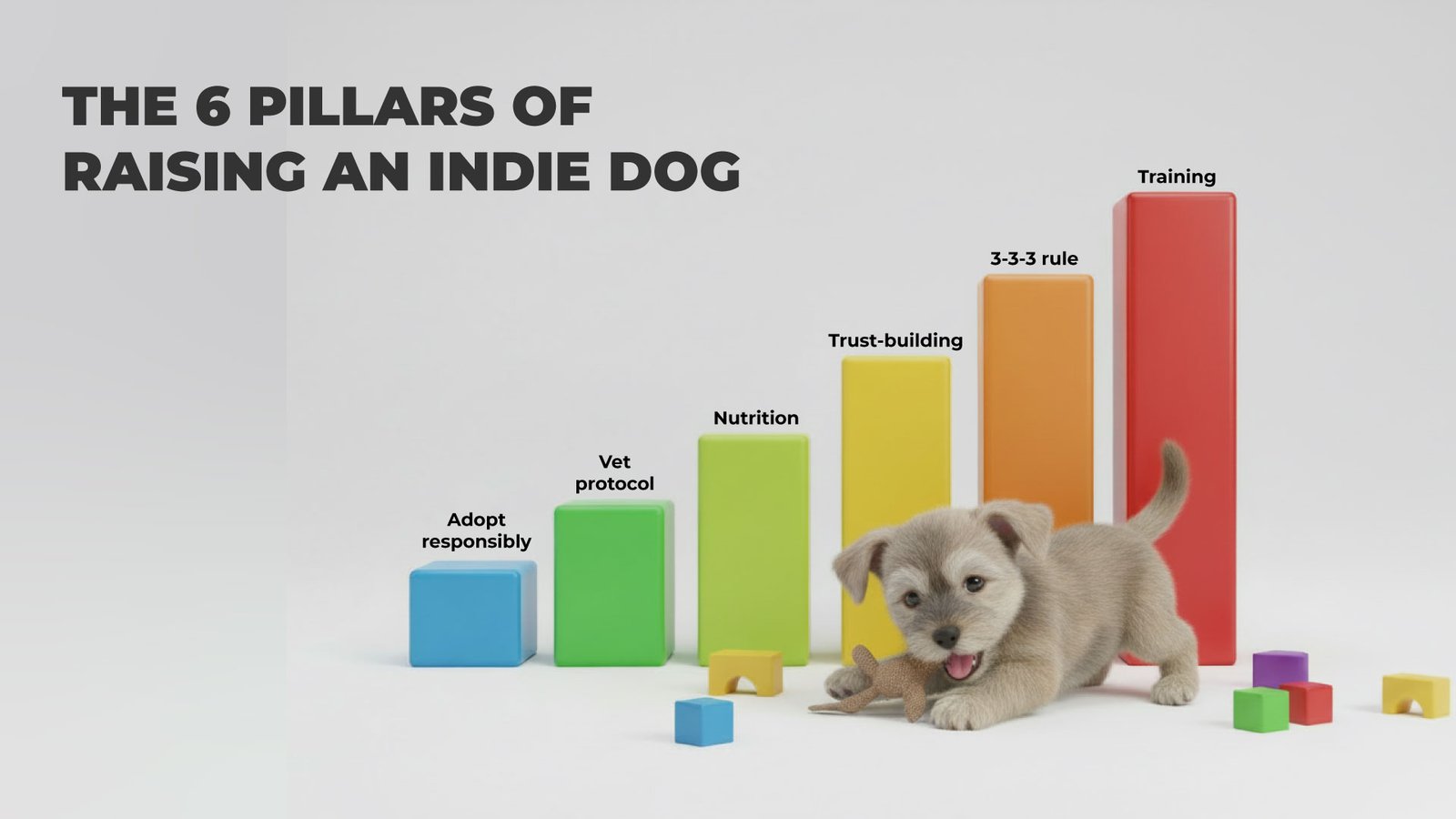
Last Updated: Summer 2026
You saw a scruffy puppy on the street. Tail wagging, eyes full of hope. Or maybe you scrolled past a shelter post and felt that tug in your heart. You want to bring an **Indie dog** home.
Adopting an Indie (Indian Pariah Dog) is saving a life. These dogs are intelligent survivors, genetically hardy, and fiercely loyal. But moving a street-smart animal into a modern home comes with challenges—from “street baggage” (ticks/fear) to nutritional deficiencies. Whether you are thinking about it or already have one, this is your ultimate guide to raising a Desi dog.
1. How to Adopt: Shelter vs. Street Rescue
There are two ways to adopt an Indie in India:
Option A: The Shelter Adoption (Recommended)
Shelters (like VOSD, Friendicoes) have dogs that are already vaccinated and partially socialized. This is safer for first-time owners.
Option B: Direct Street Rescue
If a specific dog “chooses” you on the street:
- Check for Ear Clips: A clipped ear means the dog is sterilized and cared for by the community.
- Puppy Check: Never separate a puppy < 6 weeks old from its mother unless in danger.
- Vet First: Do NOT take a street dog straight home. Go to the vet first.
2. Medical Protocol: The First 48 Hours
Your new buddy likely has “passengers.” Your vet must check for:
- Tick Fever: Common in street dogs; causes anemia.
- Skin Issues: Mange is common. Needs immediate treatment.
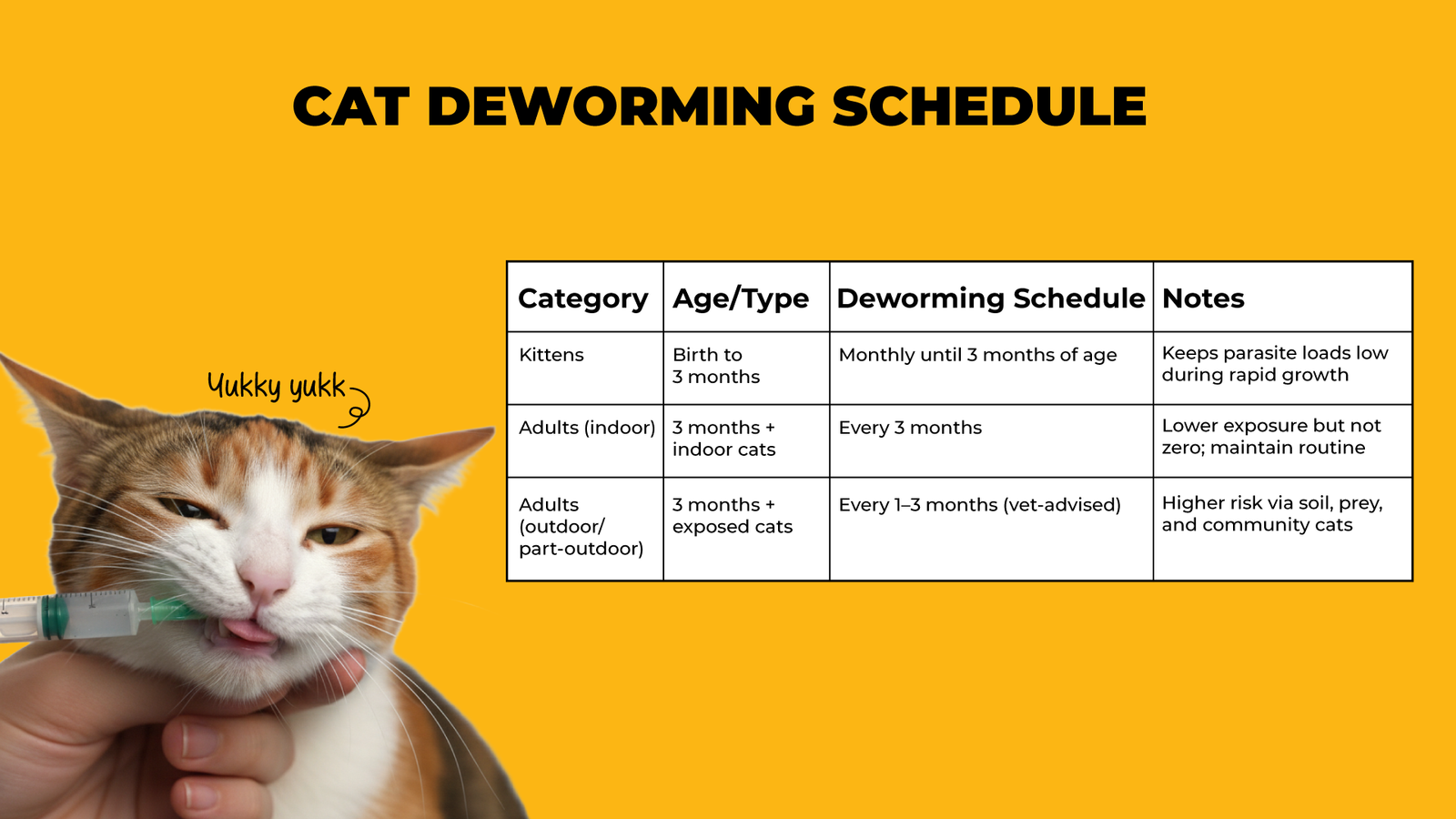
- Deworming: A “pot belly” usually means worms.
- Vaccination: 7-in-1 (DHPP) and Anti-Rabies are mandatory. (See our Vaccination Schedule—principles apply to dogs too).
3. Nutrition: The “Barkkins” Recovery Plan
The biggest mistake new adopters make is feeding glucose biscuits and milk. This sugar-heavy diet causes skin infections and weak bones. Indies need protein to recover.
We recommend switching to Barkkins Wet Food. It offers the nutrition of a home-cooked meal (Chicken/Rice) but is balanced by experts to ensure they get all essential vitamins.
Option 1: The Staple Diet (Chicken & Rice)
Perfect for transitioning from street scraps. Gentle on the stomach and high in energy.
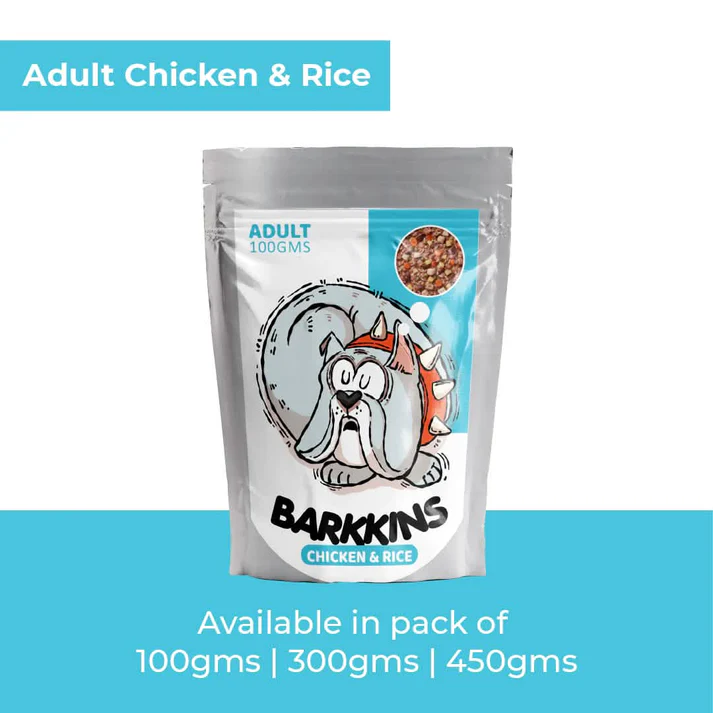
Daily Essential: Barkkins Chicken & Rice
Real chicken and digestible rice. The perfect “comfort food” to help a rescue dog gain healthy weight.
Option 2: For Skin Issues (Fish & Rice)
Many Indies have mange or patchy fur. The Omega-3s in fish are critical for healing skin.
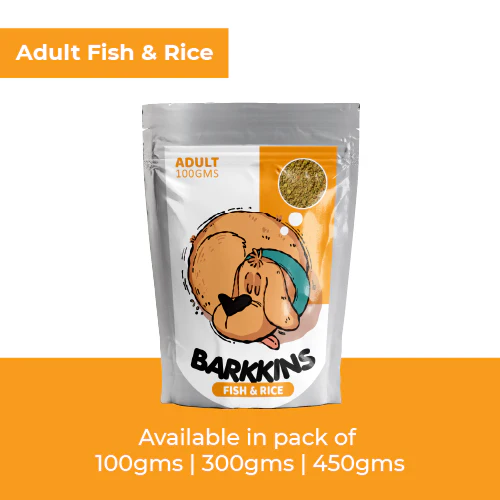
Skin Healer: Barkkins Fish & Rice
Rich in Omega-3 fatty acids to soothe itchy street skin and bring back a shiny coat.
Option 3: For Sensitive Tummies (Grain-Free)
If your rescue has chronic diarrhea, they might be intolerant to grains. Go Grain-Free.
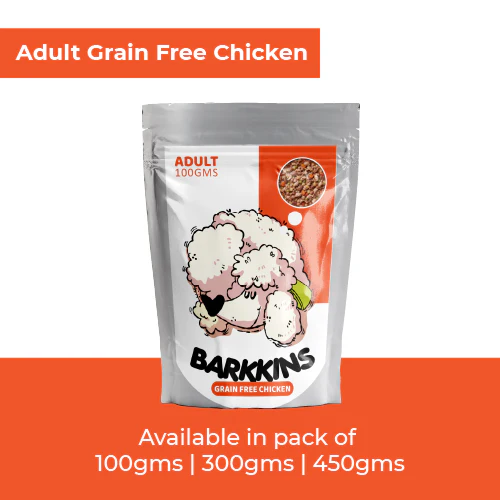
Sensitive Tummy? Grain-Free Chicken
Pure protein and veggies without the grains. Ideal for dogs recovering from severe gut infections.
4. Building Trust: The Creamy Broth Trick
Street dogs can be hand-shy. They associate hands with hitting. To change this, use Hand Feeding.
Squeeze a little Barkkins Creamy Chicken Broth onto your finger or a spoon and let them lick it. This teaches them: “Hands bring good things, not pain.”
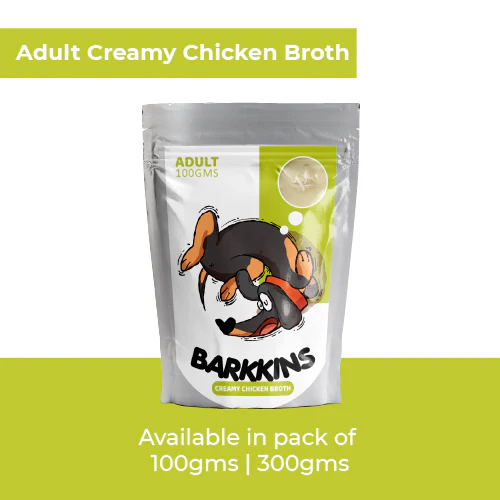
The Trust Builder: Creamy Broth
Irresistible aroma and taste. Use it as a topper or a hand-fed treat to bond with a nervous rescue.
5. The “3-3-3 Rule” of Decompression
Follow this timeline to avoid overwhelming your new dog:
⏳ The 3-3-3 Rule
- 3 Days: To Decompress. They may hide or refuse to eat. Give them space.
- 3 Weeks: To Learn Routine. They start understanding the schedule. Personality shows.
- 3 Months: To Feel at Home. They know they belong. Trust is established.
6. Training & Socialization
Indies are smart but independent. Force-based training fails. Use Positive Reinforcement.
- Leash Training: Start indoors. Attach the leash and treat them (Barkkins Broth is great here) so they associate the leash with food.
- Potty Training: Take them out immediately after eating. Praise them when they go outside.
Not Sure What They Like?
Rescue dogs can be picky because they are used to a specific (albeit unhealthy) diet. If you aren’t sure which protein they prefer, start with a Trial Pack.
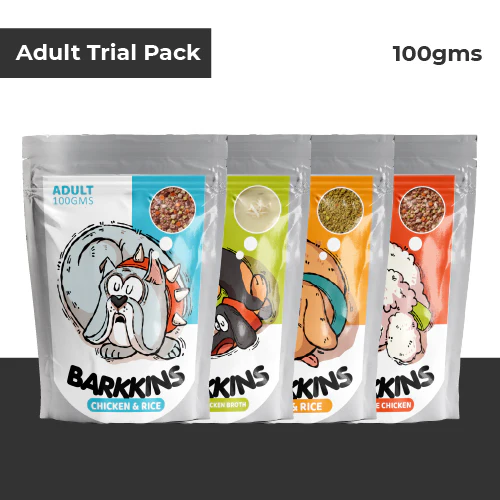
Find Their Favorite: Barkkins Trial Pack
Includes Chicken, Fish, Egg, and Broth. Let your new buddy decide what they love best.
FAQ: New Indie Parent Questions
Is it legal to adopt a street dog?
Yes! You can adopt community dogs. However, you are then responsible for their vaccination and care. You cannot abandon them back on the street later.
Can Indies live in apartments?
Absolutely. They adapt well to apartments as long as they get 2 walks a day. They are often cleaner and less destructive than high-energy breeds like Huskies.
My dog has severe skin issues. Which food is best?
Switch to Barkkins Fish & Rice. The Omega-3s help heal skin from the inside out.
Final Thoughts
Adopting an Indie is a journey of patience and love. By providing the right medical care and switching them to a wholesome diet like Barkkins, you are giving them a second chance at life. And trust us—they will pay you back with a lifetime of loyalty.