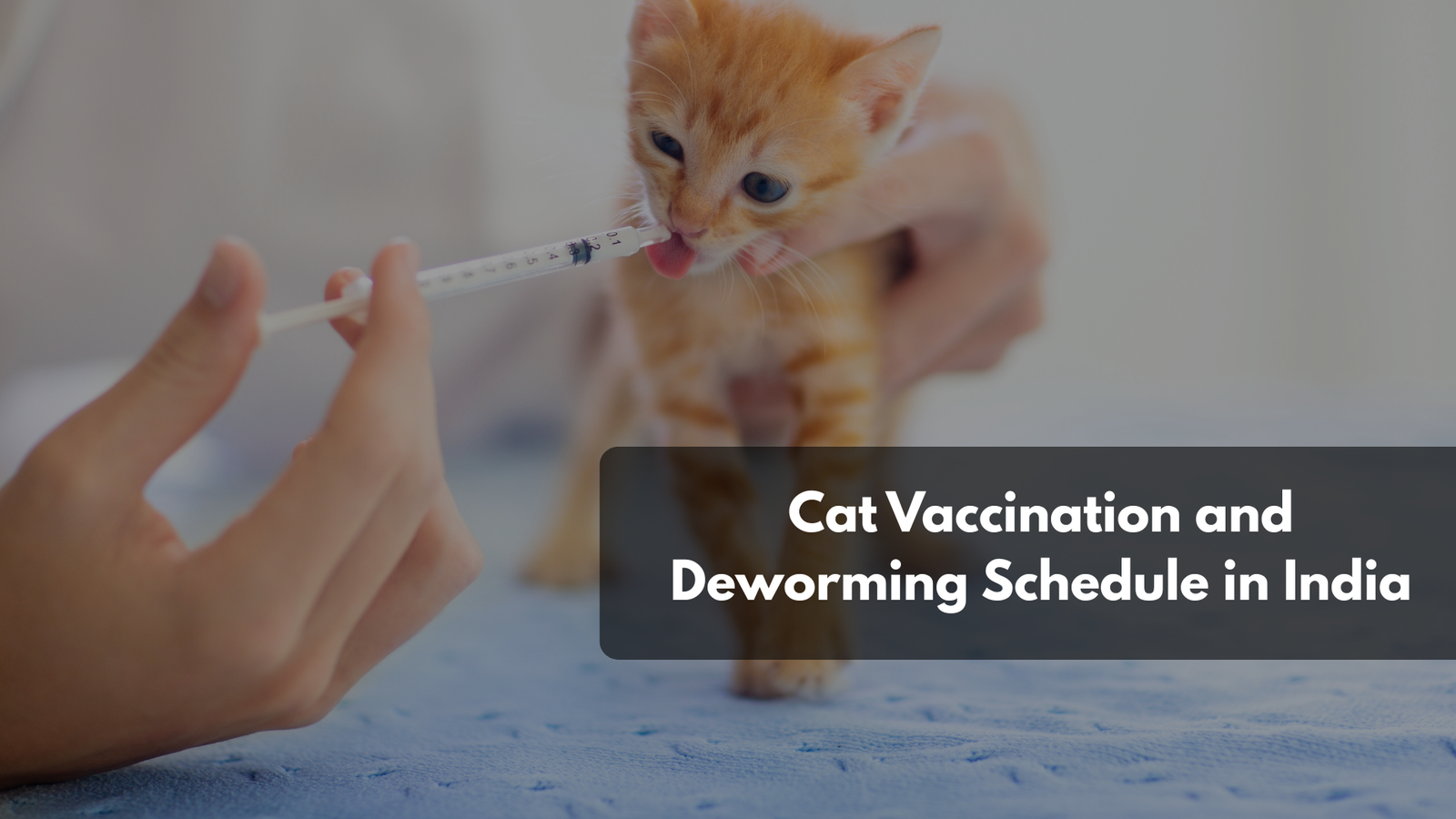
In India, kittens need the Tricat (FVRCP) vaccine at 6–8 weeks, with boosters every 3–4 weeks until 16 weeks. The Anti-Rabies Vaccine (ARV) is given at 12 weeks. Deworming should be done monthly until 6 months, then every 3 months for adults. Always consult your local vet for FeLV risk assessment.
Last Updated: Summer 2026
A timely cat vaccination schedule and a consistent deworming plan are the safest ways to protect your cat against preventable diseases and parasites.
India’s climate, outdoor animal density, and frequent contact with community cats raise the risk for viral diseases like feline panleukopenia (FPV), calicivirus, and rabies. Even strictly indoor pets are at risk because viruses can be carried in on shoes or clothes. Adherence to a structured vaccine schedule is essential. Likewise, deworming controls roundworms and tapeworms that sap nutrition and impair growth—nutrients that should be fueling your kitten’s development, not parasites.
Cat (Kitten) Vaccination Schedule in India
Start the core series in early kittenhood to avoid immunity gaps. Most Indian veterinarians follow the WSAVA Guidelines, beginning the FVRCP (Tricat) series at 6–8 weeks. This timing is critical because maternal antibodies (immunity passed from the mother) start to wane at this age, and your kitten’s own immune system is ready to start building defenses.
The goal is to create a schedule where each dose “reinforces” the last one, closing any gaps before maternal immunity runs out completely. If you miss even one dose or space them too far apart, your kitten could fall into an “immunity gap” where they are vulnerable to infection.
🩺 Vet Tip: Post-Vaccine Care
Vaccines can make kittens feel lethargic or lose their appetite for 24 hours. Encourage them to eat by offering a highly palatable Purrkins Chicken Broth topper to keep their energy up.
Which Kitten Vaccines Should Be Given?
| Age (Weeks) | Vaccine | Protection Against |
|---|---|---|
| 6–8 Weeks | FVRCP (1st Dose) | Rhinotracheitis, Calicivirus, Panleukopenia (Distemper) |
| 10–12 Weeks | FVRCP (2nd Dose) + FeLV* | Booster for core viruses; Leukemia protection if at risk |
| 14–16 Weeks | FVRCP (3rd Dose) + Anti-Rabies | Rabies (Mandatory in India); Final core booster |
*FeLV (Feline Leukemia) is recommended for cats who go outdoors or live with other cats of unknown status.
What does FVRCP protect against? This combination vaccine shields your kitten from three serious feline viruses:
- Feline Viral Rhinotracheitis (FVR): A respiratory infection (similar to a bad cold in humans) that causes sneezing, nasal discharge, and fever. In unvaccinated kittens, it can lead to severe dehydration and secondary bacterial infections.
- Calicivirus: Another respiratory virus that causes oral ulcers, lameness (joint pain), and fever. Some strains can be fatal, especially in young kittens.
- Panleukopenia (FPV or “Distemper”): This is the most dangerous. It attacks the intestinal lining and bone marrow, causing severe vomiting, diarrhea, and a critical drop in white blood cell count. Many unvaccinated kittens die from this disease.
What about Rabies? Rabies is a viral disease spread through saliva (bites) and is 99.9% fatal once symptoms appear. In India, rabies is endemic, and the government mandates rabies vaccination for pets as a public-health measure. Even if your cat never goes outdoors, a bat or stray could enter your home and bite them.
Adult Cat Vaccine Booster Schedule
Immunity isn’t forever. Adult cats need “boosters” to remind their immune system how to fight viruses. In India, the standard practice is an Annual Booster for both FVRCP and Rabies. This means scheduling a vet visit every year, typically around your cat’s birthday or a date you can easily remember.
Many pet parents keep a vaccination record card or set a phone reminder so they don’t accidentally miss a booster. Booster gaps can creep up if you move, change vets, or simply forget—so staying organized is key.
| Vaccine | Frequency (India) | Why It Matters |
|---|---|---|
| FVRCP | Every 1 Year | Prevents “Cat Flu” and deadly Panleukopenia. Many clinics recommend annual boosters, though some strictly indoor cats may qualify for longer intervals under vet supervision. |
| Rabies | Every 1 Year | Crucial. India is a high-rabies zone. Protects your cat and your family. Missing even one booster puts your cat and anyone they bite at legal and health risk. |
FeLV (Feline Leukemia Virus): If your cat has outdoor access or lives with other cats of unknown status, your vet may recommend yearly FeLV boosters as well. FeLV is a serious virus that weakens the immune system and can eventually lead to cancer or severe anemia. Once infected, a cat can be a lifelong carrier.
Talk to your veterinarian about your cat’s specific lifestyle. A strictly indoor cat living alone has very different vaccination needs than a multi-cat household with outdoor access.

Support Immunity Year-Round
Vaccines work best when your cat is well-nourished. Our broths are packed with bone collagen and nutrients to fuel immune response.
Cat Deworming in India: Timelines and Options
Worms are everywhere—in soil, on shoes, and even passed from mother to kitten during nursing. A structured deworming schedule is critical to ensure your kitten absorbs the nutrients from the food they eat instead of feeding parasites. If your kitten eats well but stays thin, has a dull coat, or has a pot-belly, worms are likely the culprit.
Common intestinal parasites in Indian cats include roundworms, hookworms, and tapeworms. Each has a different lifecycle, which is why your vet may recommend different deworming drugs at different ages. For example, newborn kittens often start deworming at just 2 weeks of age (even before vaccination begins).
Deworming Schedule by Age
| Category | Frequency | Notes |
|---|---|---|
| Kittens (0-3 Months) | Every 2 Weeks until 2 months, then Monthly | High-risk period. Parasites can severely impair growth and cause nutritional deficiencies. |
| Juniors (3-6 Months) | Once a Month | As they start exploring more and their risk exposure increases with weaning and play. |
| Adults (6 Months+) | Every 3 Months | Standard prevention for indoor/outdoor cats. Indoor-only cats may switch to every 6 months after age 1 if risk is very low. |
Deworming medications: Indian veterinarians commonly use tablets, pastes, and spot-ons containing actives such as pyrantel pamoate (for roundworms and hookworms), praziquantel (for tapeworms), or fenbendazole (broad-spectrum). Your vet will choose the right product based on age, weight, and suspected parasite type. Some formulas cover multiple parasite types in one dose.
Critical safety note: Always use cat-specific deworming products. Never use dog dewormers for cats, as some ingredients (especially pyrantel pamoate at high doses) can be toxic to felines. Always confirm the dose with your vet and administer exactly as prescribed.
Budget-friendly tip: Some Indian clinics offer “combo packs” where vaccination and deworming are bundled at a small discount. Ask your vet about this at your first visit.

Fuel Post-Deworming Nutrition
After deworming, kittens need extra calories and high-quality protein to regain lost weight and build immunity. IndieCat Growth formula supports bone, joint, and muscle development.
How Often Should You Visit Your Vet?
Expect several visits during the kitten vaccine series and early deworming phase. Typically, this means visits at 6 weeks, 10 weeks, and 16 weeks for the vaccination series alone—and additional visits may overlap for deworming checks and health assessments.
Once your cat reaches adulthood, shift to once- or twice-yearly wellness checks for annual boosters, deworming, and preventive care review. If you’re starting an adult cat with unknown history (e.g., a rescue or stray), veterinarians typically recommend restarting core protection and setting a catch-up plan while reviewing parasite control and prior vaccination records.
Cost estimate for India: A single FVRCP dose typically costs ₹800–₹1,200, while the Anti-Rabies Vaccine runs ₹300–₹600. FeLV (if added) costs ₹400–₹800 per dose. Deworming tablets range from ₹50–₹300 depending on the brand and formulation. Costs vary by city, clinic, and whether you’re using a government veterinary center (cheaper) or a private clinic (more expensive but often more comfortable).
FAQs for Indian Cat Parents
My cat is strictly indoors—should I still vaccinate?
Yes. Viruses like Panleukopenia are highly contagious and can be tracked inside on your shoes. Rabies vaccination is also mandatory for pet travel and public safety in India. Even if your cat never goes outside, a bat or stray could accidentally enter your home.
What is the cost of cat vaccination in India?
Generally, the Tricat (FVRCP) vaccine costs between ₹800–₹1,200, and the Anti-Rabies Vaccine (ARV) costs between ₹300–₹600, depending on the clinic and city. FeLV adds another ₹400–₹800 if recommended. Consultation fees range from ₹200–₹500.
Can I deworm my cat at home?
Yes, oral deworming tablets or syrups are simple to administer at home if your vet prescribes them. However, the dose depends strictly on your cat’s weight—underdosing won’t work and overdosing can be toxic. Never use dog dewormers for cats as some ingredients are toxic to felines. Always get the prescription from your vet first and ask for administration instructions.
What if a cat vaccine booster is missed?
Don’t restart the entire series on your own. Book a visit for a catch-up plan that restores timely coverage without unnecessary repeats. Your vet may give a single booster to bridge the gap, depending on how long the lapse was.
Are vaccines safe for kittens? What are side effects?
Reactions are usually mild and transient (lasting 24–48 hours) and include lethargy, loss of appetite, or a small swelling at the injection site. These are far less serious than the diseases prevented. Serious allergic reactions are rare (<1%). Always monitor your kitten for 30 minutes post-vaccination and report any unusual behavior to your vet.
Practical Tips for Staying on Track in India
- Keep a vaccination record: Maintain a dated record of each vaccine and deworming dose. Many clinics now use apps or SMS reminders—ask about this service.
- Budget realistically: Set aside money for yearly boosters. A complete annual wellness visit (booster + deworming + consultation) typically costs ₹1,500–₹3,000 depending on your clinic and city.
- New rescues and strays: Isolate new arrivals until a vet completes initial deworming and core vaccines. This protects resident pets and lets you time introductions safely once they’re cleared.
- Stay seasonal-smart: Monsoon-season crowding and exposure can raise infectious risk. Avoid slipping vaccination or deworming schedules during travel, holidays, or home shifts.
- Use your vet as a resource: Indian vets are experienced with local disease patterns. Ask about regional rabies hotspots, FeLV prevalence in your area, and tick-borne diseases if your cat goes outdoors.
Why Sticking to the Schedule Matters
Each on-time vaccine dose is a building block in your cat’s immune wall, closing gaps that viruses or parasites exploit in India’s high-exposure settings across cities and towns. Prevention is consistently safer and less costly than treatment of diseases like panleukopenia or FeLV, which can be severe, difficult to manage once established, and emotionally draining.
By following the vaccination and deworming schedule, you’re not just protecting your cat—you’re protecting your family, your neighbors, and the community against zoonotic diseases like rabies.
Next Steps
Review a clinic-style schedule and cost overview to plan your year, then confirm timing and risk-based add-ons with your veterinarian based on lifestyle and local exposure. For ongoing pet-care education and updates, explore the Pets of Paradise blog hub to pair preventive healthcare with daily nutrition and handling routines at home in India.
Remember: your veterinarian is your partner in keeping your cat healthy. Don’t hesitate to ask questions, request written vaccination records, or seek a second opinion if something feels unclear.