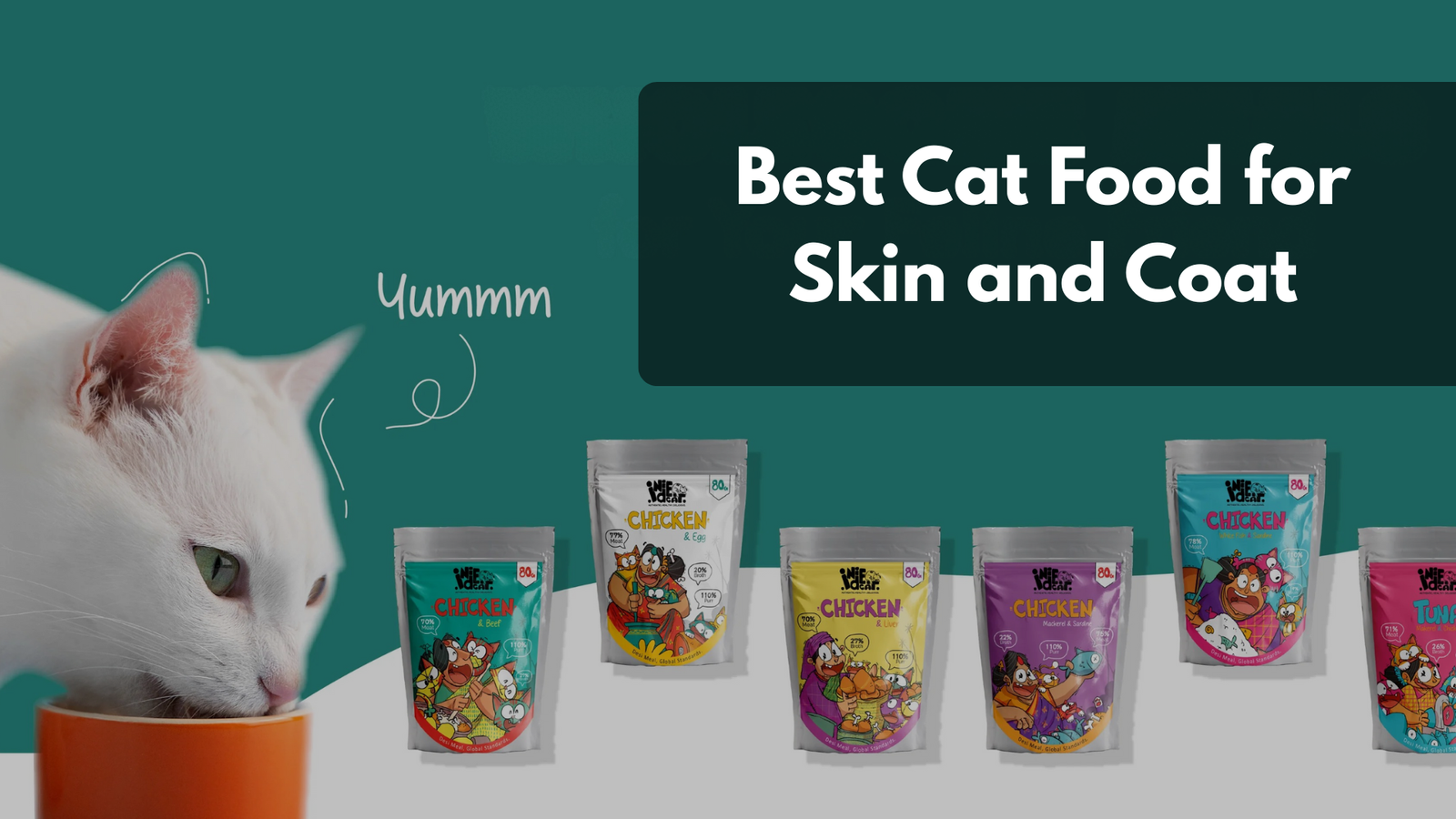
For healthy skin and a glossy coat, prioritize high-protein, omega-3 rich foods like fish-based wet meals (Mackerel, Tuna). Key nutrients: EPA/DHA (anti-inflammatory), Linoleic Acid (skin barrier), and Collagen (hair structure). Visible results take 4–6 weeks of consistent feeding.
Last Updated: Summer 2026
Healthy skin and a glossy coat start with complete and balanced feline nutrition that emphasizes high-quality animal protein, essential fatty acids, and adequate moisture.
If your cat’s fur looks dull, feels dry, or sheds excessively, nutrition is the first place to look. In India’s hot climate, dehydration and poor-quality kibble can silently damage the skin barrier and coat texture. The good news? Switching to a complete, omega-3 rich wet food can reverse these issues in just 4–6 weeks. This guide explains exactly which nutrients matter, how to compare chicken vs fish recipes, and why “collagen cat food” is more marketing than magic.
What Actually Works for Skin and Coat Health
Forget the buzzwords. Here are the 4 non-negotiables for a healthy coat, backed by the WSAVA Global Nutrition Guidelines:
- Complete and Balanced Formula: The food must meet AAFCO or FEDIAF standards. Anything labeled “Complementary” or “Topper” is a treat, not a meal.
- High Animal Protein: Cats need amino acids like Taurine (found in heart, liver, fish) to build keratin—the protein that makes up fur.
- Essential Fatty Acids: Linoleic Acid (from chicken fat) repairs the skin barrier. EPA/DHA (from fish oil) reduces inflammation and adds shine.
- Moisture: Wet food (75–85% water) supports hydration, which directly affects skin elasticity and coat softness.
💡 Vet Insight: The 6-Week Rule
“It takes one full fur cycle (4–6 weeks) for dietary changes to show. Don’t judge a new food in 10 days—give it time.” — Dr. Cailin Heinze, DACVIM (Nutrition) at Tufts University
Quick Nutrient Table: What Each Does
| Goal | Key Nutrients | Food Sources |
|---|---|---|
| Skin Barrier Repair | Linoleic Acid, Zinc, Biotin | Chicken Fat, Liver, Balanced Premix |
| Glossy Coat | High Protein, Taurine | Chicken, Fish, Heart, Liver |
| Anti-Inflammatory | EPA/DHA (Omega-3) | Mackerel, Sardine, Fish Oil |
| Overall Absorption | Vitamin A, E, Minerals | Balanced Feline Premix |
Notice how every nutrient comes from animal sources. Plant-based oils (like flaxseed) contain ALA, which cats convert to EPA/DHA very poorly. Stick to fish or fish oil for omega-3s.
Fish Oil Cat Food: When and How to Use It
Fish oil is the gold standard for coat shine because of its EPA and DHA content. But you don’t need to buy a separate supplement—just choose a fish-rich complete food. According to the Cornell Feline Health Center, cats require specific fatty acids (arachidonic acid) found only in animal tissues.
- Why Fish Works: Mackerel, Sardine, and Tuna are naturally high in omega-3 fatty acids, which reduce skin inflammation (less itching) and make fur softer.
- Palatability Bonus: The strong aroma helps picky eaters. If your cat refuses chicken, try fish.
- Safety Note: Never add standalone fish oil capsules without vet guidance. Too much can cause vitamin E deficiency or upset the calcium-phosphorus balance.
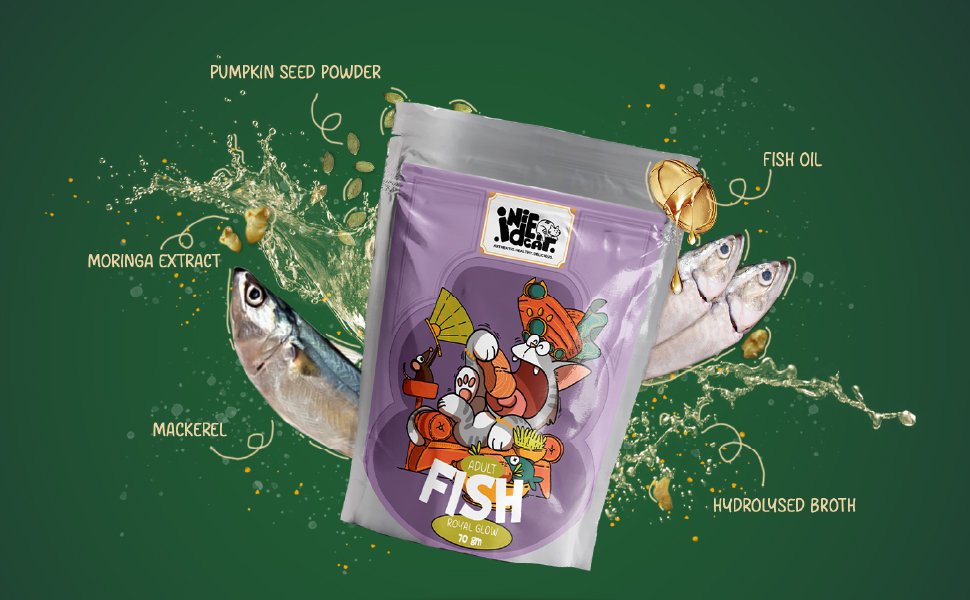
Omega-3 Rich: IndieCat Mackerel
95% Mackerel + Fish Oil. Natural EPA/DHA for coat shine. Pumpkin Seed & Ashwagandha support immunity.
Japanese Collagen Cat Food: Facts vs Hype
You’ve probably seen ads for “Japanese collagen cat food.” Here’s what science says:
- What Collagen Is: It’s a structural protein found in bones, skin, and cartilage. When digested, it breaks down into amino acids like glycine and proline.
- The Reality: Cats don’t need “collagen supplements.” They need complete proteins (meat, fish, organs) that provide all essential amino acids. Collagen alone is incomplete.
- When It Helps: If collagen is part of a complete formula (like bone broth-based meals), it’s a bonus. But it shouldn’t be the main selling point.
Bottom Line: Don’t pay extra just for “collagen.” Focus on foods with heart, liver, and fish—these naturally contain amino acids and nutrients collagen can’t match.
High Protein Cat Food: Why It Matters
Cats are obligate carnivores. Their protein needs are higher than dogs or humans. Here’s why high protein directly improves coat health:
- Keratin Production: Hair is made of keratin, which is built from amino acids. Low protein = weak, brittle fur.
- Muscle vs Fat: High-quality protein preserves lean muscle while preventing obesity (which worsens coat quality due to poor grooming).
- Digestibility: Animal protein (chicken, fish) is more digestible than plant protein (soy, corn gluten), meaning your cat absorbs more.
What to Look For: A wet food with ≥10% protein (as-fed basis) or ≥40% protein (dry matter basis). If you want to dive deeper into label reading, check our guide on how to read cat food labels.
Chicken vs Fish Cat Food (For Skin & Coat)
| Aspect | Chicken Recipes | Fish Recipes |
|---|---|---|
| Primary Benefits | Reliable Linoleic Acid (skin barrier), steady amino acid profile | High EPA/DHA (coat shine), strong aroma for picky eaters |
| Best For | Daily maintenance, dry/flaky skin | Extra shine, dull coat, inflammatory skin |
| Cautions | Ensure balanced micronutrients (check label) | Monitor for individual sensitivities; avoid DIY oil dosing |
Pro Tip: Many experts recommend rotating between chicken and fish every 2–3 months to diversify nutrient intake and prevent food boredom.
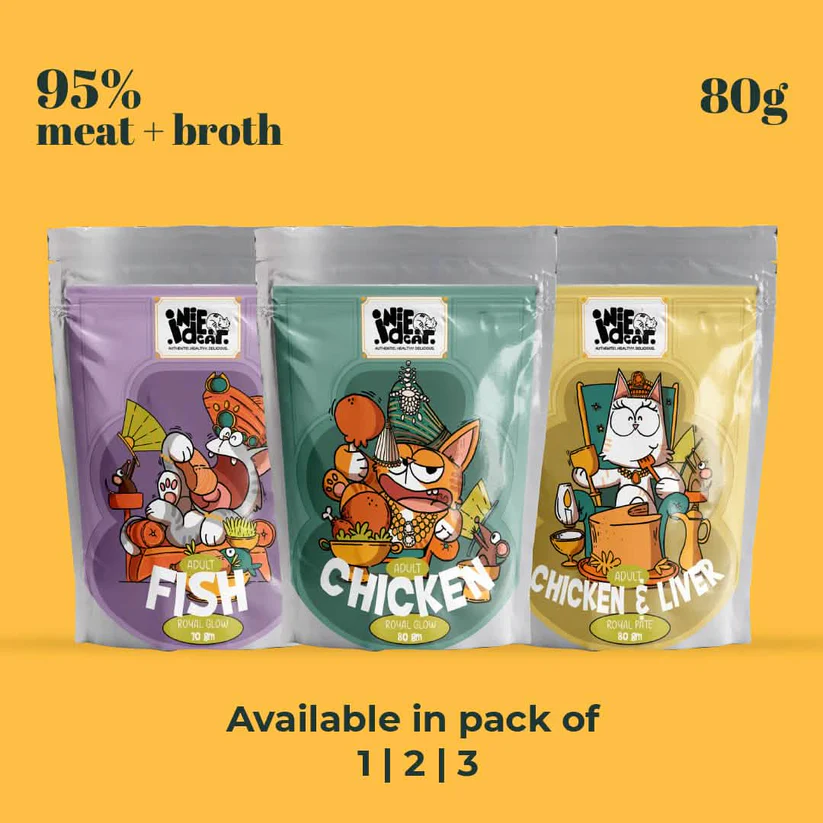
Try Both: Chicken & Fish Variety
Not sure which your cat prefers? Try our Trial Pack with Chicken, Fish, and Chicken+Liver options before committing to bulk orders.
Bio-Available Nutrition: What Labels Don’t Tell You
A food can list “Fish Oil” on the label, but if it’s rancid or poorly processed, your cat won’t absorb the omega-3s. Here’s how to choose wisely:
- Check for “Complete and Balanced”: This phrase means the food meets AAFCO/FEDIAF standards. Without it, you’re gambling.
- Animal-First Ingredients: The first 3 ingredients should be meat, fish, or organs—not corn, rice, or “meat meal.”
- Transparent Brands: Companies like IndieCat disclose sourcing and follow WSAVA nutrition guidelines. Generic brands often don’t.
Red Flag: If a brand advertises “Superfood Blend” or “Miracle Coat Formula” but doesn’t show an adequacy statement, it’s marketing, not nutrition.
Grooming + Nutrition = Best Results
Even the best food can’t fix matting or hairballs alone. Here’s the synergy:
- Brush 2–3x per week: Removes dead hair, distributes natural oils, and prevents mats.
- Use a slicker brush for long hair, rubber brush for short hair.
- Reward with treats: Turn grooming into positive bonding time.
Bonus: Regular brushing lets you spot skin issues (redness, flakes, lumps) early, before they become serious.
FAQ: Skin & Coat Nutrition
Is fish oil better than chicken for coat shine?
Fish provides more EPA/DHA (omega-3), which enhances shine. But chicken offers Linoleic Acid (omega-6), essential for skin barrier repair. Ideally, rotate between both.
Do cats need collagen supplements?
No. Collagen breaks down into basic amino acids during digestion. Focus on complete, high-protein foods (meat, fish, organs) instead of standalone collagen powders.
How long before I see coat improvement?
4–6 weeks. That’s one full fur growth cycle. Track shine, shedding, and skin comfort weekly. If no change after 8 weeks, consult your vet.
Can I add fish oil capsules to dry food?
Only with vet approval. Too much omega-3 can cause vitamin E deficiency or bleeding issues. It’s safer to choose a fish-based complete food instead.
Final Checklist: Choosing the Best Cat Food for Skin & Coat
- ✅ Look for “Complete and Balanced” on the label.
- ✅ First ingredient = named meat (Chicken, Mackerel, not “Meat Meal”).
- ✅ Contains EPA/DHA (from fish) or Linoleic Acid (from chicken fat).
- ✅ High moisture (≥75%) to support hydration.
- ✅ Transparent brand that follows AAFCO/FEDIAF guidelines.
By selecting balanced, protein-forward recipes—chicken for steady maintenance or fish for extra shine—and reinforcing with regular grooming, most cats achieve visible coat glow within 4–6 weeks. For ongoing support and guides, explore the Pets of Paradise Blog for feeding tips, transitions, and care routines tailored to Indian homes.